EVENT PLANNING & PHOTO EXPERIENCES
How to Brief an Event Photo Activation
A strong event concept becomes easier to quote and produce when everyone agrees on the guest experience, final output and approval process.
Define one primary guest outcome
Start with what a participant should experience and take away. A directed video moment, a personal collectible, a live drawing and a contribution to a shared artwork serve different purposes. Choose the main outcome before collecting visual references; otherwise the brief can become a list of attractive ideas that compete for the same time and space.
State the event type, audience and moment in the program. A reception guest with time to explore behaves differently from a trade show visitor between meetings. Include expected attendance and your participation estimate as separate figures.
Specify the output for the selected format
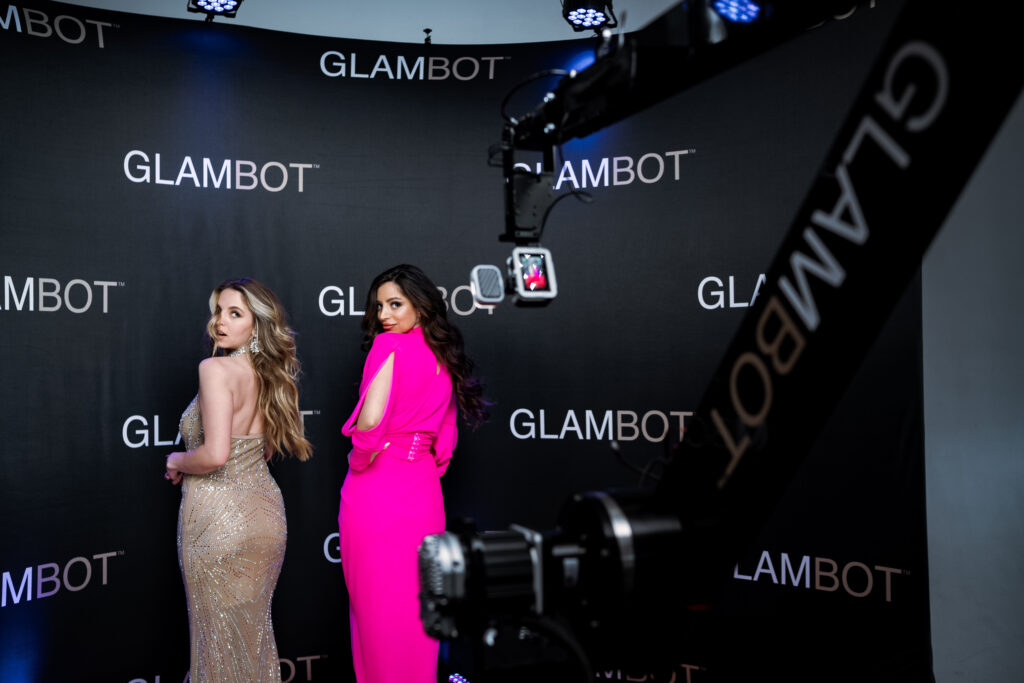
GlamBot: movement and framing
For GlamBot, describe the intended mood, the guest action and the final viewing format. Share examples of pacing and framing, then agree on a treatment appropriate to the production setup. Include logo placement, any text, music permissions and the approval contact for the finished look.
DoodleBots: portrait and collection
For DoodleBots, focus on the drawing presentation and guest handoff. Decide how event branding should appear without overpowering the portrait. Explain whether the guest watches the process, collects the result later or follows another agreed flow.
AI trading cards: a consistent design system
For AI trading cards, separate the shared design from participant-specific details. Define the visual theme, card headings, approved names or titles and the sample output to be approved. Avoid requesting brand marks or likenesses you do not have permission to use.
Photo mosaics: the large image and the contributions
For a photo mosaic, provide the intended master image, display approach and reveal timing. Estimate likely contributions before committing to dimensions. The design should support the participation you expect and the way people will view it in the room.
Include a guest-flow sketch
A simple annotated floor plan is more useful than a room name alone. Show the proposed activation position, arrival direction, waiting area, capture location and collection point. Mark registration, catering, stage sightlines and access routes that the activation must accommodate.
List when setup can begin, when guests arrive, whether the program requires a pause and when equipment must leave. Identify the venue contact who can confirm access, power, connectivity and any production restrictions. Treat unconfirmed details as open items instead of assumptions.
Make artwork approval a named responsibility
Supply usable logo files, brand colors, typography guidance and a small number of relevant visual references. Name one person who can consolidate feedback. If a sponsor, department or venue also approves artwork, include them in the schedule before production starts.
Ask for the approval stages and asset deadlines in the proposal. A useful approval covers more than whether the sample looks appealing: check spelling, placement, cropping, legibility and how personalized details appear. For AI concepts, settle the style and acceptable outputs before guests participate.
Agree on delivery, permissions and success measures
Describe how guests should receive their content and how the organizer intends to use it afterward. Keep any marketing opt-in clear and separate from assumptions about participation. Discuss an alternative with the team when a guest prefers not to use the AI format.
Choose measures that the setup can support: completed sessions, collected keepsakes, mosaic participation or another agreed output. Do not promise sales or social reach merely because an experience is interactive. A clear objective makes the post-event review more useful.
A concise brief you can send
Put the event date, venue, audience, operating hours, participation estimate and selected format at the top. Add the desired output, creative references, available footprint, artwork approver and known production requirements. Finish with the open questions you want the proposal to resolve.
Share that brief through our event inquiry form. It gives the team a practical starting point for a proposal tied to your actual event.