
PHOTO BOOTH 101
How to Choose a Photo Booth for Your Event
A practical guide to choosing the right photo booth, video or AI experience for a Los Angeles event—based on guest flow, output, branding, venue logistics and the moment you want people to remember.
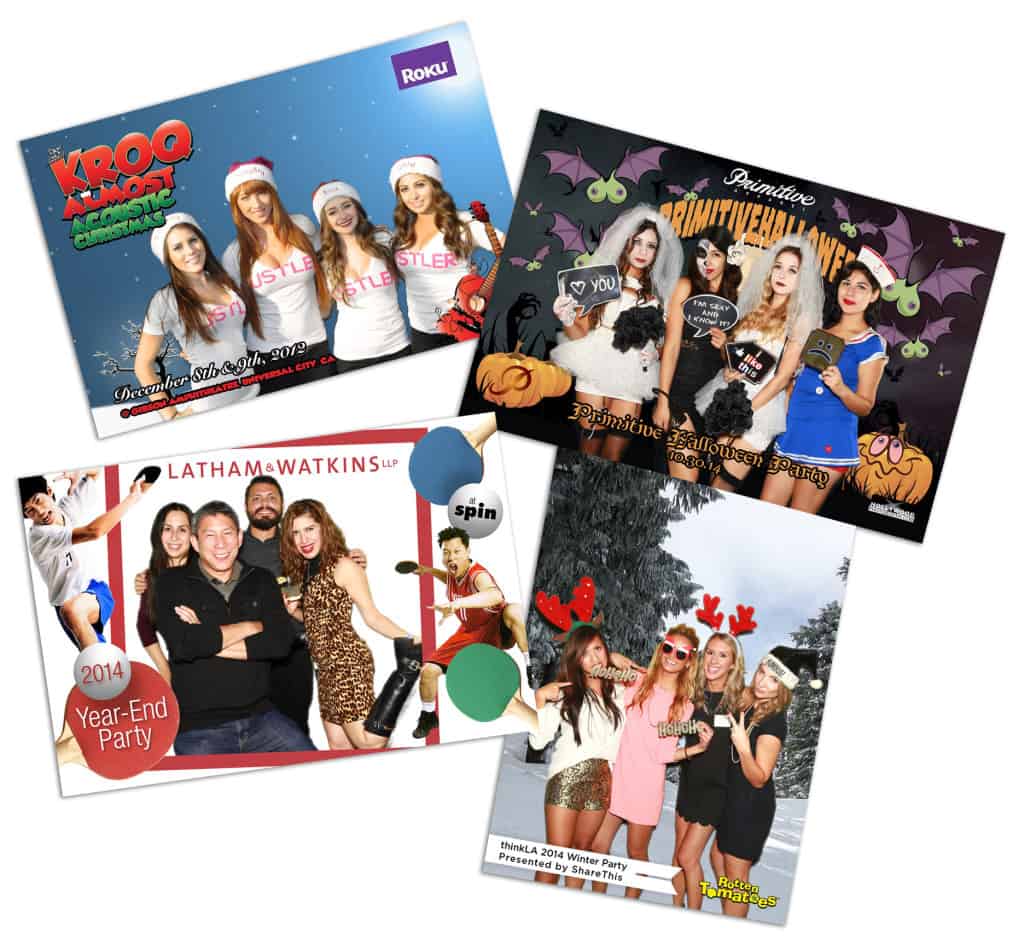
Start with the guest experience—not the machine
The most useful question is not “Which booth is best?” It is “What should guests do, feel and receive?” A wedding couple may want a physical photo strip guests keep for years. A brand team may want a personalized collectible that carries campaign artwork. A trade-show exhibitor may need an experience that attracts attention without blocking the aisle. A premiere may need cinematic movement and directed content.
Once the goal is clear, the equipment becomes easier to choose. Los Angeles Photo Booth produces traditional photography as well as GlamBot, 360 video, AI photo experiences, AI trading cards, DoodleBots, photo mosaics, Beauty Booth, open-air booths and the classic enclosed photo booth.
Choose the output first
The keepsake often determines the experience. If the priority is a classic printed strip, an enclosed booth may be the cleanest fit. If the goal is a larger group portrait, an open-air booth creates more room. If the event calls for polished black-and-white or color portraits, Beauty Booth places more emphasis on controlled lighting, posing and the finished image.
For personalized objects, AI trading cards turn a portrait into a collectible that can include approved names, numbers and event artwork. DoodleBots create a different kind of physical takeaway: the guest watches a robotic arm draw a portrait. Photo Mosaic shifts the focus from the individual keepsake to one collaborative image built from many contributions.
Video formats serve a different purpose. A 360 booth creates a circular group video around a platform. GlamBot uses a programmed robotic camera movement for a more directed, cinematic shot. Those experiences should not be treated as interchangeable simply because both produce motion content.
Match the format to the event
Corporate events and brand activations
Corporate programs benefit from a clear relationship between the activation and the event objective. Employee celebrations may prioritize participation and keepsakes. Product launches may need branded content that feels integrated with the campaign. Experiential programs may value personalization, visual spectacle or an output that continues circulating after the event. Explore our corporate event and brand activation planning for more detail.
Trade shows and conferences
At a convention, traffic flow matters as much as creativity. The activation must fit within the approved exhibit footprint, explain itself quickly and leave enough room for your staff to speak with visitors. DoodleBots, trading cards and AI experiences can create visible activity, but capture, processing and pickup should be treated as one workflow. Review our trade show and convention photo booth guidance before finalizing the booth plan.
Weddings and private celebrations
For weddings, the most important decisions are usually visual style, placement and keepsake. An enclosed photo booth gives guests a private, nostalgic experience. An open-air photo booth accommodates larger groups. Beauty Booth creates a more editorial portrait. The booth should be easy to find without competing with catering, speeches or the dance floor.
Think about throughput before promising participation
Guest count does not equal booth capacity. A 500-person event does not necessarily require 500 sessions, and a 100-person reception can still create a queue if everyone arrives during one short break. Capacity depends on how long each interaction takes, whether guests participate alone or in groups, whether they make choices on screen, whether physical output must be produced, and whether collection happens at the same station.
For a conference, identify the actual participation windows rather than the full event duration. For a gala, note when guests arrive, when dinner begins and whether the booth pauses during programming. For a trade show, consider aisle traffic and whether the visitor needs time afterward to speak with the brand team.
Plan the footprint, power and access
Every photo experience needs a physical operating plan. Share the floor plan, loading instructions and service schedule before event day. A small camera station can still need room for lighting, a printer, an attendant and a queue. A 360 platform needs a controlled zone around moving equipment. GlamBot needs a dedicated robotic operating area. An enclosed booth needs access through doors, elevators and hallways large enough for the selected structure.
Outdoor operation requires additional planning for heat, wind, direct sunlight, shelter and safe electrical distribution. If weather can affect the experience, identify an indoor backup location before installation.
Branding should improve the keepsake, not overpower it
Event logos, campaign artwork, dates and sponsor marks can be incorporated into many outputs, but the guest still needs to recognize the photograph or personalized object as something worth keeping. Test print designs at actual size. A logo that looks restrained on a laptop can dominate a 2×6 strip; small type that looks readable on screen may disappear on a trading card.
For AI experiences, approve representative transformations before launch. For trading cards, confirm front-and-back orientation and any personalized fields. For video, confirm the overlay, intro or outro treatment and whether music is permitted. Build enough approval time into the production schedule so creative decisions are not happening during load-in.
Printing, digital delivery and privacy
Printed keepsakes and digital sharing solve different problems. Prints create an immediate physical takeaway and can work even when venue internet is unreliable. Digital delivery is useful when the content is designed to travel, but it requires a clear sharing workflow and dependable connectivity. If attendee data is collected, decide in advance what information is truly needed and how it will be used.
Receiving a photograph should not silently enroll a guest in unrelated marketing. For corporate programs, separate content delivery from lead capture unless the organizer has intentionally designed and disclosed that process.
Questions to ask before you book
- What exactly will each guest receive?
- How long does one complete interaction take?
- How many people can participate together?
- What is the complete footprint, including queue and pickup?
- What power and internet are required?
- Who creates and approves the artwork?
- Is printing included, digital delivery included, or both?
- How many attendants or operators are included?
- What time does the crew need access?
- What happens if the venue changes the setup location?
- What is the plan for outdoor heat, wind or rain?
- When and how are final galleries or files delivered?
Compare the main photo booth styles
Enclosed Photo Booth
Best when you want a classic, private booth experience and printed strips.
Open Air Photo Booth
Best for visible participation, flexible backgrounds and larger groups.
Beauty Booth
Best for polished portraits, controlled lighting and a glam/editorial finish.
360 Video Booth
Best for energetic group video when the venue can support a controlled platform zone.
GlamBot
Best for directed cinematic slow-motion content and high-impact arrivals.
AI Photo Experiences
Best when personalization and a custom creative transformation are central to the brief.
Build the proposal around the real event
A useful proposal should reflect the date, venue, guest count, operating window, experience, staffing, creative scope and delivery requirements. If two vendors are being compared, send both the same brief so pricing is based on the same assumptions.
Los Angeles Photo Booth has produced events since 2006 across corporate programs, entertainment events, universities, weddings, galas, trade shows and private celebrations. Tell us what you want guests to experience and what you need them to leave with; the production plan can be built from there.